









Clearly AI named Finalist in the RSAC Innovation Sandbox 2026, closing an $8.4 million Seed Round. Read more
Clearly AI

Privacy operations

Privacy reviews your team can stake decisions on

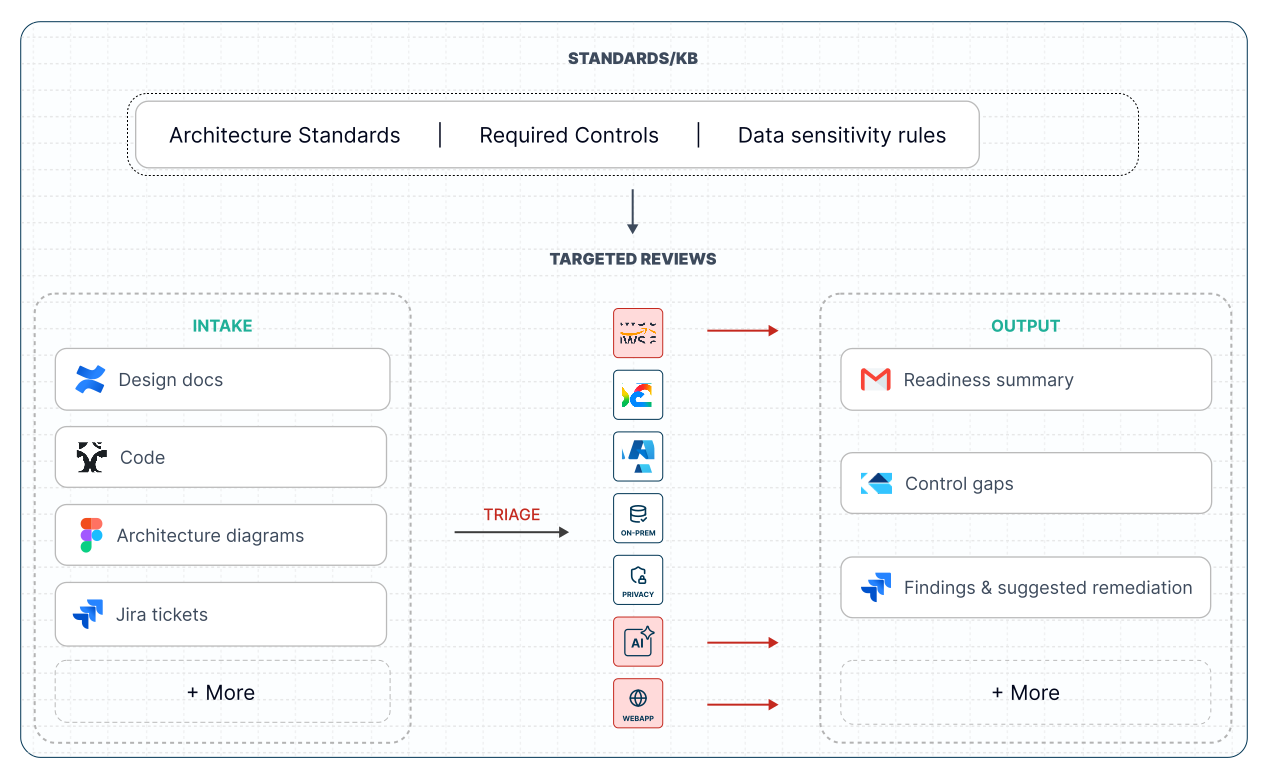
Clearly AI reads the business requirements, design docs, data flow diagrams, vendor contracts, and policies behind every new product and feature. It triages privacy impact, drafts the PTA, PIA, or DPIA against your policies, and proposes updates to your data map and records of processing, with every answer cited to its source. Your privacy team reviews the draft and makes the call.

Trusted by the companies you trust the most

  • HID Global
  • Ericsson
  • PayPal
  • Modern Health
  • Hagerty
  • Rivian
  • Infineon
  • Bastion

Privacy reviews run on questionnaires. Questionnaires run late.

Every new feature, data flow, and AI capability needs a privacy review. Most start with a questionnaire sent to a business owner, who often answers weeks later with their interpretation of what the system does. The privacy team then checks those answers against contracts, designs, and policies by hand, one assessment at a time.

The volume keeps growing, and AI features are making it grow faster. Data maps and records of processing start going stale as soon as they're finished. When reviews can’t keep up, they can get skipped or happen post-launch. The documentation regulators expect under laws like GDPR is only as good as the last time someone had time to update it.

How it works

  1. 1.

    Intake

    A Jira ticket, ServiceNow request, intake form, or chat conversation starts the review. Clearly AI pulls in the attached documents and the related design docs, tickets, and wiki pages.

  2. 2.

    Triage

    Clearly AI runs a privacy threshold assessment and scores the risk. Your workflow rules decide what happens next: low-impact changes get a lighter review, and anything involving sensitive data, new processing, or AI goes to a full PIA or DPIA.

  3. 3.

    Assess

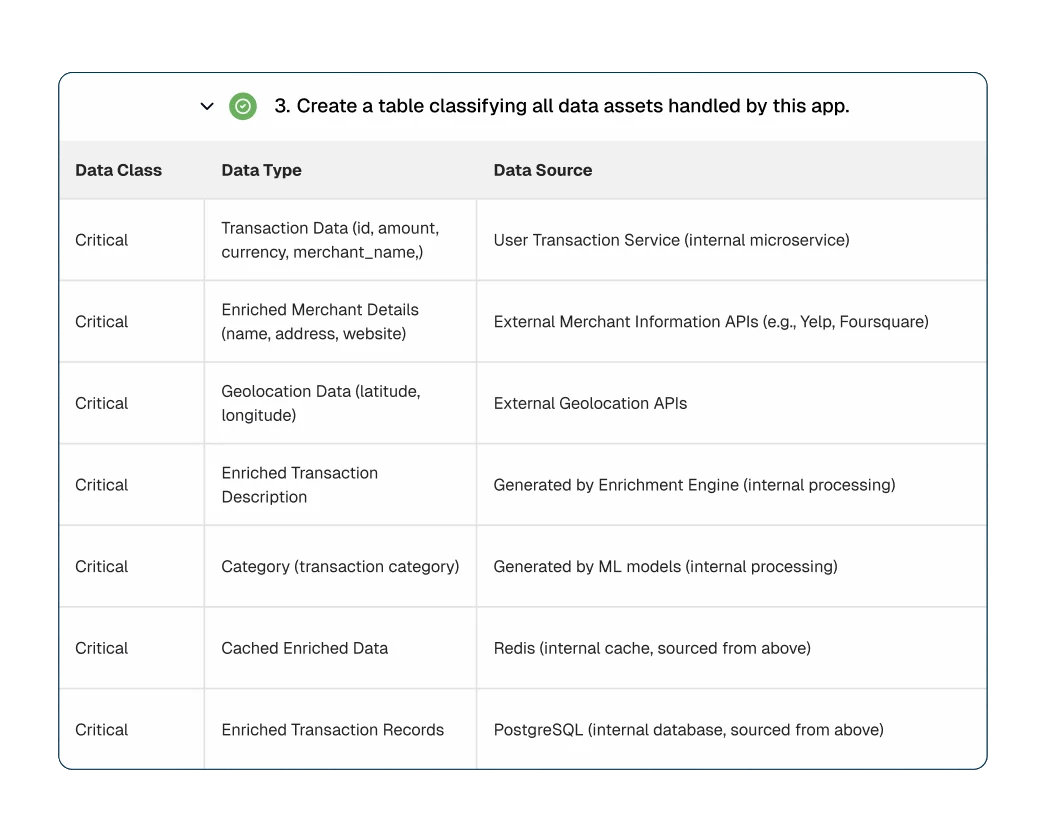
    Clearly AI answers your assessment from the source documents, flags missing or conflicting information, and drafts findings and recommendations. Every answer links to the passage it came from.

  4. 4.

    Approve and record

    Your privacy reviewer checks the draft, edits where they disagree, and approves it. The decision goes back to the ticket, risks go to the risk registry, and approved changes update the data map and records of processing.

  1. 01Intake

    • Jira
    • ServiceNow
  2. 02Triage

  3. 03Assess

  4. 04Approve

    • Jira

Context-powered

Assessments drafted from source

Most of what a privacy assessment needs is already written down somewhere. Clearly AI reads it so business owners don't have to retype it.

  • The documents you already have:
    Business requirements, design docs, data flow diagrams, vendor documentation and contracts, tickets, and wiki pages. PDF, Word, Excel, and images are all supported.
  • What the system actually does:
    Answers reflect what the design and contracts say about how data is collected, used, shared, and retained, so they hold up when someone checks
  • Gaps and conflicts flagged:
    When a design doc and a contract disagree, or a required answer isn't covered anywhere, Clearly AI marks it as missing or conflicting so a person can sort it out
  • Business owners answer only what's left:
    Questions go to the business owner only when the documents can't answer them
Clearly AI drafting a privacy assessment from design docs, contracts, and data flow diagrams.
“As soon as we started using Clearly AI, we saw an immediate reduction in the amount of time that not only my team was spending on the reviews, but that the business owners were actually spending having to give us the answers for the assessments.”
Ashley Haynes, Senior Director of Privacy, Trust and AI Governance, Ericsson Enterprise Wireless Solutions

Audit-ready accuracy

Your policies. Your frameworks. Regulator-ready output.

Clearly AI reviews against the standards your team already owns.

  • Your assessment, live in hours:
    Upload your PIA or DPIA template, privacy policies, or internal standards. Clearly AI turns them into a review template in hours, not a six-month configuration project.
  • Mapped to the laws you answer to:
    Configure Clearly AI for the privacy laws you answer to, like GDPR and CCPA, and for your own control set
  • Documentation in your format:
    Findings and recommendations come out in your existing assessment layout. Word exports fill your organization's own template automatically, so a DPIA is ready for your records or a regulator's request.
  • Reasoning you can follow:
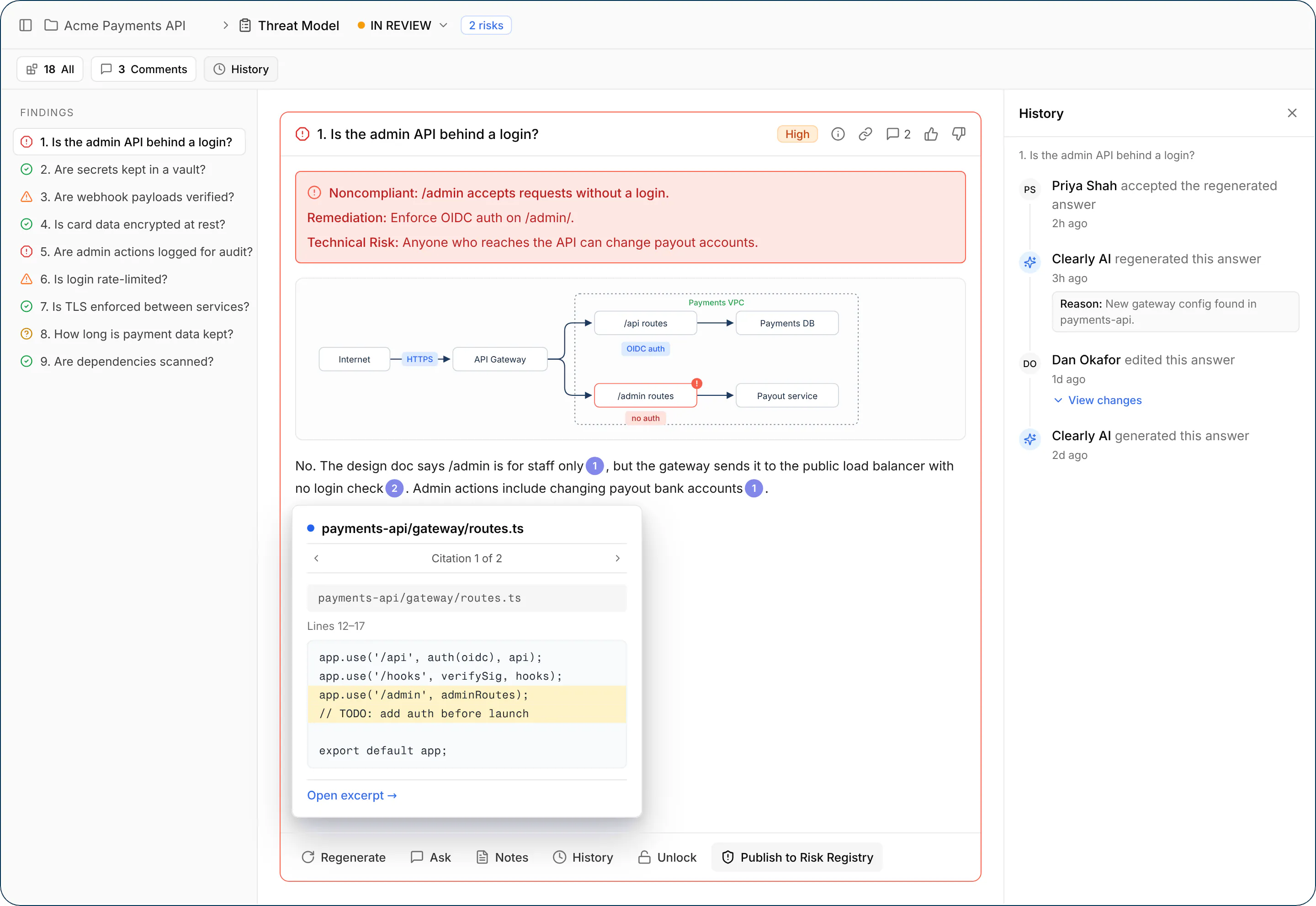
    Every answer shows the question it addresses and the document, page, and passage behind it
A finding in Clearly AI with the source document, page, and passage behind it.

Data map and ROPA

Why not just keep the ROPA in a spreadsheet?

A spreadsheet is current until the next launch. In Clearly AI, your data map and records of processing live in the enterprise context graph and grow with every review your team approves.

  • Every processing activity in one place:
    See each processing activity, the data it uses, its purpose, and the systems and vendors involved
  • Data flows between components:
    Follow how personal data moves between applications, data stores, vendors, and AI systems
  • Built from the reviews you run:
    Each assessment proposes new processing activities and data flows, with the passage that supports them. Your team approves what's right, so the inventory grows as you work.
  • Linked to vendors and risks:
    Processing that involves a vendor links to that vendor's record and review, and open findings link to the risk registry
  • Current when systems change:
    When the evidence behind a data flow changes, Clearly AI prompts a refresh. Relationships the evidence no longer supports are closed, with their history kept.
A system blueprint in Clearly AI showing how components, data stores, and vendors connect.

Workflow-native

Privacy by design, before anything is built

The cheapest privacy fix is the one made in the design. Clearly AI reviews new work while it's still being planned.

  • Reviews start where work starts:
    Workflows can start a review from Jira, ServiceNow, or your intake form as soon as a feature is planned
  • Requirements returned to engineering:
    Privacy requirements and open questions go back to the ticket, so engineers see them before they build
  • Reached from the IDE:
    Developers and their AI coding agents can run privacy reviews and get privacy requirements in plan mode through the Clearly AI MCP server See how reviews work from the IDE
  • Tracked to close:
    High-risk findings open Jira tickets or post to Slack, and stay in the risk registry until resolved
A planned feature in Jira triggers a Clearly AI privacy review, which returns requirements to engineering before the build.

See how Secure by Design works

Human approval

The agent drafts the assessment. Your privacy team decides.

Clearly AI can draft a privacy assessment from start to finish. It can't approve one.

  • A completed draft, ready to review:
    Reviewers open a finished assessment with findings, recommendations, and citations already in place
  • Edit, challenge, or rerun:
    Change any answer, ask the Clearly AI agent why it reached a finding, or rerun the assessment when new documents arrive
  • A recorded decision:
    Clearly AI records who approved each assessment, when, and against which version of your template
  • Consistent results:
    Versioned templates keep every review on the same standard, so results don't drift from one reviewer to the next

See how auditability and versioning work

Centralize security and privacy

One platform for privacy, security, vendor risk, and AI governance

Privacy reviews overlap with the reviews your security, vendor risk, and AI governance teams already run. Clearly AI runs all of them on one platform and one license.

  • Vendor privacy reviews:
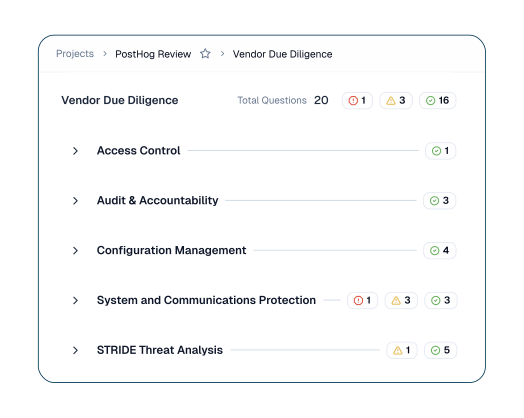
    Assess vendors' data practices from their contracts, DPAs, and documentation See how vendor reviews work
  • AI risk assessments:
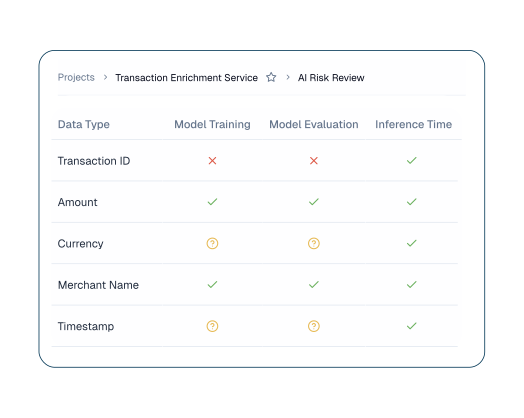
    Assess in-house and third-party AI models, agents, and LLMs for privacy, security, and compliance See AI governance
  • Shared context with security:
    Privacy and security reviews of the same system use the same documents, so business owners answer once
  • Works with OneTrust:
    Compare the privacy and AI governance assessments in OneTrust with the review Clearly AI produced

Ericsson Enterprise Wireless Solutions started with privacy impact assessments and vendor privacy reviews. Within months, it expanded Clearly AI to product security.

Product Security

Automate threat modeling and design reviews. Ship secure features faster.

“With Clearly AI, we provided the documentation for the product and within a minute, here's all that documentation generated that would've taken developers weeks to create. We're seeing immediate impact with the threat modeling...weeks reduced down to minutes, literally.”
William Brown, Sr. Director of Product Security and Privacy, HID Global
See product security features
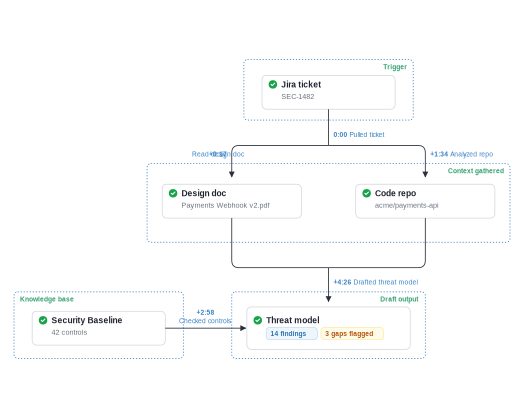
Agent activity for Acme Payments API: pulled ticket SEC-1482, read the design doc, analyzed repo acme/payments-api, checked 42 controls, drafted a threat model with 14 findings and 3 gaps flagged.

Proven outcomes

Faster reviews with the same privacy team you have in place

  • 50–80%

    Reduction in review time at Ericsson Enterprise Wireless Solutions

  • 4x

    Review capacity at Rivian, with zero new headcount

  • 85%

    Of Ericsson's assessments completed from source documentation

Ericsson
“I cannot recommend the tool and the team behind the technology enough – Clearly AI has truly changed the privacy ops game!”

Ashley Haynes

Senior Director of Privacy, Trust and AI Governance, Ericsson Enterprise Wireless Solutions

Read the Ericsson story
Four Ericsson colleagues working together around a table in a bright office.
“4x increase in team capacity. Clearly AI is by far the leader in this space.”
Jim Gregoire, Head of Privacy and AI Governance, Rivian

Read the Rivian story

FAQ

Answers to your top questions

What is a privacy impact assessment?

A privacy impact assessment (PIA) evaluates how a product, system, or process collects, uses, shares, and stores personal data, and identifies privacy risks before it launches. Clearly AI drafts PIAs from the documents your teams already have and cites every answer to its source.

What is the difference between a PIA and a DPIA?

A DPIA (data protection impact assessment) is the assessment GDPR Article 35 requires when processing is likely to result in a high risk to individuals. A PIA is the broader term many privacy programs use for any privacy review. Clearly AI runs both, plus privacy threshold assessments (PTAs) that decide whether a full assessment is needed.

Can Clearly AI automate DPIAs for GDPR?

Yes. Clearly AI drafts DPIAs against your template and GDPR requirements, flags missing information, and records the reviewer's approval. A person on your privacy team approves every assessment.

Can Clearly AI create records of processing activities?

Yes. Clearly AI keeps your records of processing activities (ROPA), which GDPR Article 30 requires most organizations to keep, as a live inventory in the enterprise context graph. Each assessment proposes new processing activities and data flows, each with its supporting source, for your team to approve. You can follow how personal data moves between applications, data stores, vendors, and AI systems.

Can Clearly AI map how personal data flows between systems?

Yes. The enterprise context graph shows how data moves between applications, data stores, vendors, and AI systems. Data flows are proposed from your reviews and documents, each with its supporting source, and your team approves them.

Can developers run privacy reviews from the IDE?

Yes. Every review type, including privacy assessments, is available to developers and their AI coding agents through the Clearly AI MCP server.

Does Clearly AI replace privacy analysts?

No. Clearly AI drafts the assessment and flags gaps. A named reviewer on your team edits and approves it, and Clearly AI records who approved it, when, and against which template version.

Can Clearly AI use our own PIA template?

Yes. Upload your existing template, policies, or internal standards and Clearly AI turns them into a review template in hours. Completed assessments, including DPIAs, export to Word in your organization's own template.

Which privacy laws does Clearly AI support?

Teams often use the platform for GDPR and CCPA assessments and configure it for the other privacy laws and internal standards they answer to. Clearly AI is customized to your regulatory needs.

What documents can Clearly AI read for a privacy assessment?

Business requirements, design docs, data flow diagrams, vendor contracts and DPAs, tickets, wiki pages, and policies, as PDF, Word, Excel, or image files.

Does Clearly AI continuously monitor data flows?

No. Clearly AI runs a structured assessment when something new is planned or changes, using the documents available at that point. Results add to your data map and records of processing, so each review builds on the last.

Does Clearly AI work with OneTrust?

Yes. Compare the privacy and AI governance assessments in OneTrust with the review Clearly AI produced. Clearly AI also works with Jira, ServiceNow, and Slack.

Can our security and privacy teams use the same platform?

Yes. Threat models, privacy impact assessments, vendor risk reviews, and AI risk assessments all run on Clearly AI under one license.

Bring a PIA template to the demo

We'll show you how Clearly AI turns a template like yours into a review, and what a cited, ready-to-approve draft looks like.

Cookies, in moderation

Essential cookies keep the site working. With your OK, analytics cookies (shared with our analytics providers) help us improve it. We never sell your data. See our Privacy Policy.